Today Marks Historic National Revolution and Solidarity Day
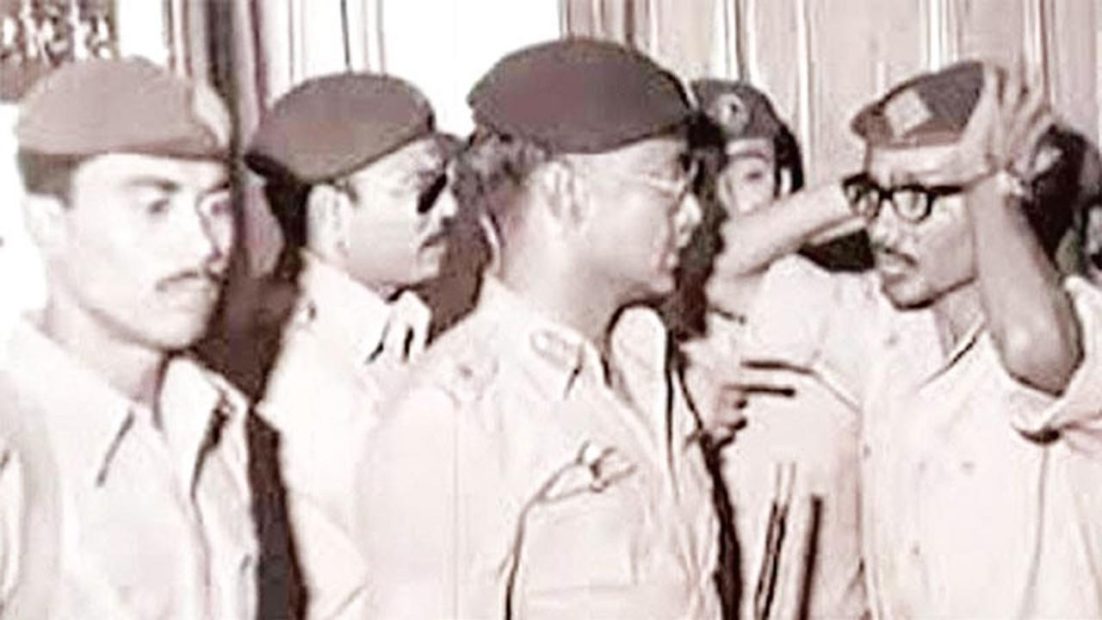
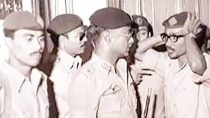
The historic November 7 is being observed today as National Revolution and Solidarity Day. Fifty-one years ago, on this day in 1975, amid a series of bloody political upheavals in Bangladesh, soldiers and civilians joined hands to free then Army Chief Major General Ziaur Rahman from confinement at Dhaka Cantonment. The events helped Ziaur Rahman consolidate his position and paved the way for political stability, according to the historical account associated with the day.
Since then, November 7 has been observed as National Revolution and Solidarity Day. After a long gap, the day is being observed officially again this year. President Mirza Fakhrul Islam Alamgir and Prime Minister Tarique Rahman have issued separate messages marking the occasion.
In his message, President Mirza Fakhrul Islam Alamgir called for building a democratic, justice-based, humane and secure Bangladesh. He said people from all political backgrounds must unite in the spirit of November 7 to protect the country’s independence and sovereignty and put an end to corruption, inequality and all conspiracies.
In his message, Prime Minister Tarique Rahman also stressed national unity to protect the country’s independence and sovereignty and establish the democratic rights of the people. He said, “Let this year’s November 7 serve as a pledge to ensure that no one can ever again take away the rights of the country and its people.”
Referring to the November 7, 1975 uprising, he said the united revolution of soldiers and civilians had thwarted conspiracies against Bangladesh’s independence and sovereignty. He also said that the participation of people from all walks of life in the mass uprising of 2024 had brought an end to fascist rule.
The BNP has announced a seven-day programme to mark the occasion. As part of the programme, rallies will be held today in Dhaka and most districts and metropolitan cities across the country. Prime Minister and BNP Chairman Tarique Rahman will inaugurate the rally from the party’s central office.
Earlier, at 8:30am, Tarique Rahman will pay tribute at the graves of Shaheed President Ziaur Rahman and former Prime Minister Begum Khaleda Zia. He will then inaugurate the rally from the BNP’s central office. The Jatiyatabadi Chhatra Dal has also announced several programmes.
These include putting up posters at universities, district and metropolitan units, and colleges across the country; placing wreaths and reciting Fateha at the graves of Shaheed Ziaur Rahman (Bir Uttam) and former BNP chairperson and Prime Minister Begum Khaleda Zia; and organising a photo exhibition by Dhaka University Chhatra Dal.
All Dhaka-based units of the Chhatra Dal will also participate in the rally organised by the BNP in front of its central office in Nayapaltan.
Background of November 7, 1975
The events of November 7 followed the political killings of August 15, 1975, and the murder of four national leaders inside Dhaka Central Jail on November 3. In the aftermath, Army Deputy Chief Brigadier Khaled Mosharraf and his loyal troops staged a coup and detained Major General Ziaur Rahman, then Army Chief and the country’s Independence Proclaimer, at Dhaka Cantonment. The account associated with the day describes the move as an attempt to establish Indian dominance over Bangladesh.
Brigadier Khaled Mosharraf later went to Bangabhaban, where he secured a promotion at gunpoint, assumed the rank of major general and took over as Army Chief. On November 6, Khaled Mosharraf took control of Bangabhaban and arrested then President Khondaker Mostaq Ahmad. He announced the dissolution of the Cabinet and Parliament. On the same day, he appointed Chief Justice Abu Sadat Mohammad Sayem as the country’s President.
Meanwhile, Army Chief Major General Ziaur Rahman remained under house arrest at the cantonment. The country’s sovereignty appeared uncertain, and Bangladesh went through four days of anxiety, fear and political uncertainty.
Late on November 6, ordinary soldiers of the Army united and launched a counter-movement. A large number of supporters of the Jatiya Samajtantrik Dal (JSD), led by retired Colonel Abu Taher, joined the soldiers. People from different walks of life also took to the streets in spontaneous support of the uprising.
Through the combined movement of soldiers and civilians, Ziaur Rahman was freed from confinement. Khaled Mosharraf and several of his associates were killed while attempting to resist the counter-coup. On November 7, soldiers and civilians from all walks of life took to the streets of Dhaka, and the movement spread across the country. The events created an unprecedented example of political solidarity in Bangladesh.
Since then, November 7 has been observed as National Revolution and Solidarity Day. The BNP government declared the day a public holiday. However, the government of Sheikh Hasina later cancelled the public holiday.