Untapped Fallow Land Could Turn Barguna into a Major Hub for Dairy and Livestock Farming
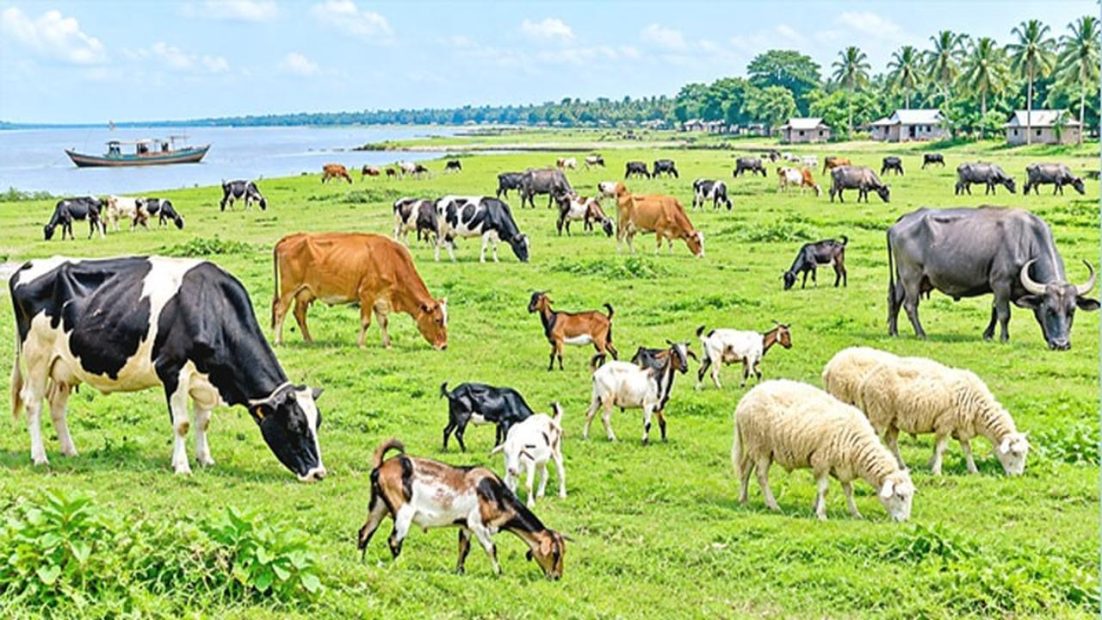
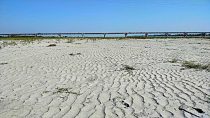
Thousands of hectares of unused and seasonally fallow land are scattered across the coastal district of Barguna. Proper use of these lands could create a promising dairy and livestock industry in the district. There is considerable potential to establish farms for cattle, buffaloes, goats and sheep, alongside industries focused on animal feed production, milk collection, processing and meat production.
Such initiatives could create large-scale employment and increase the income of rural communities. However, realising this potential will require government support and effective initiatives from entrepreneurs. Char areas, riverbanks and seasonally fallow lands are found in different parts of Amtali, Taltali, Patharghata, Betagi, Bamna and Barguna Sadar upazilas. Due to salinity, waterlogging and a lack of irrigation facilities, some of these lands remain unused for agriculture. Depending on local soil and environmental conditions, suitable areas could be used to cultivate improved varieties of grass and establish planned livestock farms.
Abdul Latif Matubbar, a long-time cattle farmer from Chaora Union in Amtali, said Barguna had considerable opportunities for establishing cattle farms. Planned grass cultivation on unused land could reduce animal feed shortages.
However, high feed prices, veterinary treatment costs and the lack of fair prices for milk are major challenges for farmers. He said low-interest loans, support for animal feed production and proper milk marketing facilities could encourage new entrepreneurs to enter the sector.
Rafiqul Islam Jomaddar of Nishanbaria Union in Taltali said unused coastal land could be used to cultivate grass suitable for the local environment and raise cattle, goats and sheep. Such initiatives would create employment opportunities for young people and increase rural household incomes.
However, he stressed the need to ensure land security, safe drinking water, veterinary services and easy access to loans on favourable terms. Barguna District Livestock Officer Dr Md Asaduzzaman said the district had significant potential for expanding its dairy and livestock industries. However, farm development must take into account salinity, waterlogging and the risks of cyclones and tidal surges.
He said selecting suitable livestock breeds, cultivating improved grass varieties, ensuring balanced animal feed, providing regular vaccinations and adopting modern farm management practices were essential. Productivity could be increased through training and technical assistance for farmers.
Journalist Monir Hossain Kamal, general secretary of the Barguna Citizens’ Rights Protection Committee, said the planned use of unused land could create new economic opportunities for the district. He called for special development projects, incentives for entrepreneurs, easy-term loans, training and guaranteed markets for milk and meat. He said coordinated efforts by the government and private sector could turn Barguna into one of the leading livestock and dairy industry hubs in the southern region.
According to stakeholders, the development of this industry would create jobs beyond livestock farms. New employment opportunities would emerge in animal feed production, veterinary services, milk transportation and storage, as well as dairy product manufacturing. Women and unemployed young people, in particular, could benefit from increased self-employment opportunities.
However, given the district’s coastal location, farm development must include safe shelters for livestock during cyclones and tidal surges, access to clean water, animal feed storage facilities and emergency veterinary services.
Stakeholders believe that coordinated efforts by the Department of Livestock Services, the agriculture department, the district administration, banks and entrepreneurs could create an investment-friendly environment. Legal use of government-owned khas land could also support the initiative. With proper planning and investment, Barguna’s unused land could become a new economic foundation for the dairy and livestock industry.