
World Heritage Sundarbans Revives Under Three-Month Ban
Paikgachha (Khulna) Correspondent
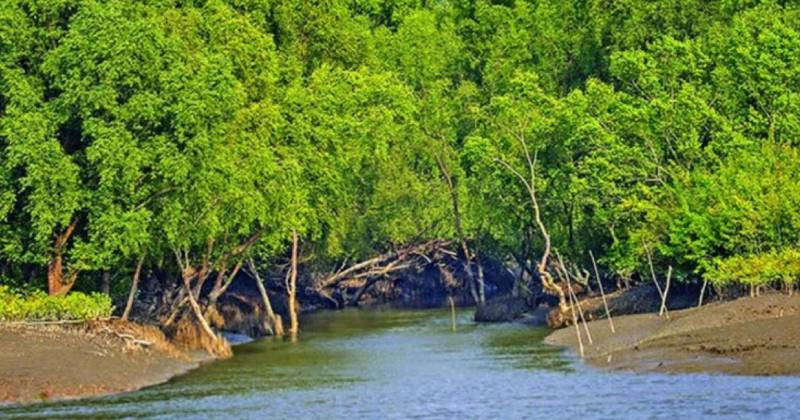
The Sundarbans, a UNESCO World Heritage Site, reopened to tourists, fishermen and other forest-dependent people on September 1 after a three-month government ban. The closure from June 1 to August 31 was imposed to protect fish and wildlife during their breeding season. With human activity restricted, the forest has shown signs of renewed vitality. It has been observed that deer have been roaming around the banks of rivers, while birds have come into view and the population of fish in rivers and canals has grown.
On the other hand, there is also an issue of environmental pollution due to the reopening. Fishermen with valid permits and passes from the Forest Department can now enter the forest to catch fish and crabs. Tourists can also visit popular destinations including Karamjal, Harbaria, Katka, Kachikhali, Hiran Point and Dublar Char. Environmentalists fear that the return of tourist boats and trawlers could increase plastic pollution. Plastic bottles, food packets, and garbage can lead to the pollution of the soil and water bodies of the forest. Disturbance of the wildlife by the noise created by boats, audio equipment, and tourists can happen after three months of quiet time.
The other problem to be concerned about is the poisoning of the fish. Some fishermen may resort to poisoning water in deep canals for higher profits, which can kill fish and other aquatic organisms. Environmentalists also fear that poachers could enter the forest by posing as fishermen or other forest workers and hunt deer using traps. Environmental groups have called for stronger monitoring by the Forest Department. Nikhil Kumar Bhadra, coordinator of the Sundarbans and Coastal Protection Movement, said the Forest Department should adopt a zero-tolerance policy against environmental violations. He also called for strict checks on plastic products and bags at entry points, fines for single-use plastic on boats, smart patrols and swift legal action against poison fishing.
Climate Justice Forum President and former principal Ramendra Nath Sarkar said the Sundarbans is more than a forest; it is a protective shield for the country’s coastal region. He stressed that tourists, local communities and authorities must work together to protect the forest’s renewed natural condition. Sundarbans East Forest Division Divisional Officer Md. Rezaul Karim Chowdhury told Daily Inquilab that the Forest Department is maintaining vigilance to prevent pollution and other illegal activities. Regarding plastic waste, he said, “We talked about putting up baskets or dustbins.” He added that he had personally visited tourist spots before the reopening and found no plastic or polythene waste there.