Election Takes a New Turn, Netanyahu to Remain ‘Caretaker Prime Minister’
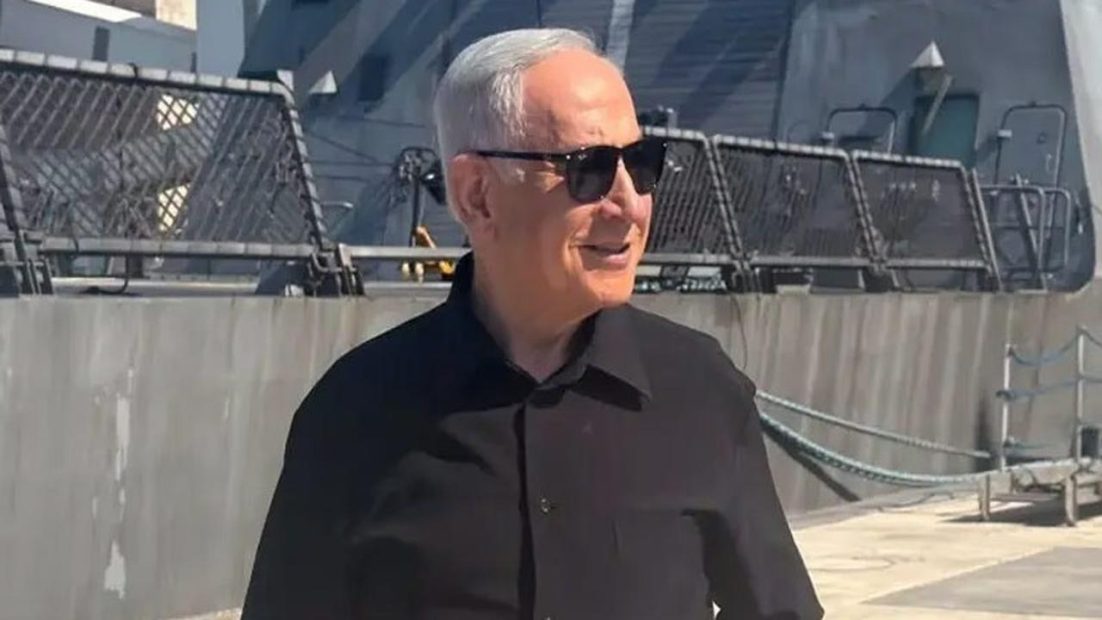
Uncertainty has emerged over the formation of Israel’s next government after no alliance secured a majority in the parliamentary election. Benjamin Netanyahu may therefore remain in office as caretaker prime minister. With around 86 per cent of the votes counted, projections by the country’s three major broadcasters showed Netanyahu’s right-wing bloc winning 53 seats in the 120-member Knesset. The opposition bloc led by Gadi Eisenkot was projected to secure 48 seats, while parties representing Arab Israelis were expected to win 19. At least 61 seats are required to form a government.
According to projections released on Wednesday, October 28, Netanyahu’s bloc was leading but remained short of a majority. The opposition bloc also fell short of the required number of seats. As a result, support from smaller parties and political negotiations have become crucial to forming the next government.
Eisenkot also faces significant obstacles in forming a government. His bloc may need substantial support from Arab parties to secure a majority. However, most Jewish political leaders in Israel are reluctant to form a formal coalition with Arab parties, complicating efforts to remove Netanyahu from power.
Netanyahu will serve as caretaker prime minister while negotiations over forming a new government continue. If the parties fail to reach an agreement and another election becomes necessary, he could remain in the role until next year. Experts say that although caretaker governments face certain restrictions, they retain the authority to manage state affairs and make important security-related decisions.
In a speech to supporters of his Likud party early on Wednesday, Netanyahu called for the formation of a strong right-wing national government. He also raised the possibility of resuming joint military operations with the United States against Iran. US President Donald Trump praised Netanyahu’s election performance and claimed that his support had contributed to the result.
Eisenkot, meanwhile, warned that Netanyahu lacked a full political mandate to lead the country as caretaker prime minister. He urged Israeli security and government officials to oppose any attempt to use the security apparatus for political purposes.
The election has also affected Israel’s financial markets. The shekel fell by around 1.6 per cent against the US dollar, reaching 3.10 shekels per dollar. Tel Aviv’s main stock market indices also dropped by more than 3 per cent. Analysts believe political uncertainty has heightened investor concerns.
Voter turnout reached 77.7 per cent, the highest in more than two decades. Turnout was particularly notable among Israelis of Palestinian descent. The projected 19 seats for Arab parties indicate increased representation, although it remains uncertain whether they will help the opposition bloc form a government.
The election was Israel’s first national vote since Hamas’s October 7, 2023, attack. The war in Gaza, the conflict with Iran and Israel’s growing international isolation formed key parts of the electoral backdrop. Preliminary results suggest that although Netanyahu’s bloc has fallen short of a majority, he remains a central figure in the negotiations over government formation. The final results and subsequent political talks will determine the future of Israel’s next government.