Teesta River Faces Existential Threat Amid Water Crisis, Threatening Livelihoods
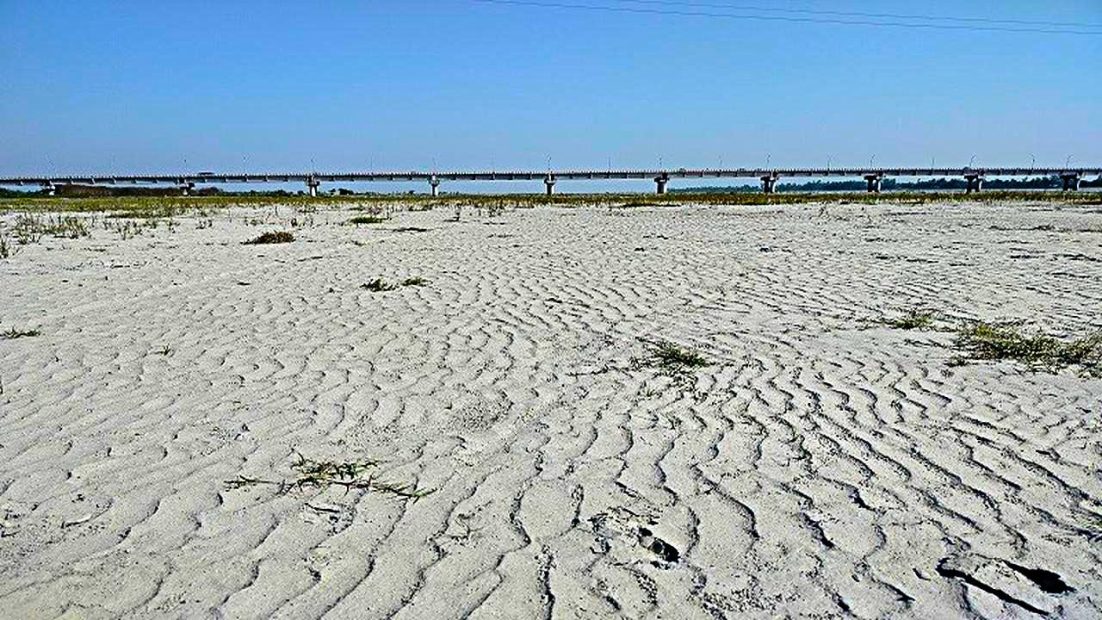
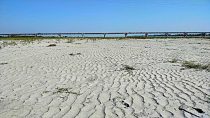
Once a mighty river with a strong current, the Teesta has now turned into a dying river. Even before the dry season begins, a lack of water has exposed vast stretches of sand across its riverbed. In some places, the water is only knee-deep, while elsewhere, extensive sandbars have emerged. Various winter crops are being cultivated on these newly formed sandbars. Hundreds of boats once competed for space on the river, but people can now cross many sections of it on foot. The waterway has shrunk due to the shortage of water, creating a severe navigability crisis. This changing landscape is disrupting the livelihoods of people living along the river.
During a field visit to different areas of Gangachara upazila on Sunday (November 8), numerous sandbars and submerged shoals were found across the Teesta, even before the dry season had begun. In some places, the water flow has become so low that people can easily walk across the river. Elsewhere, the main watercourse has narrowed into a small channel. The once-mighty Teesta is losing its familiar appearance because of the severe water shortage.
Local residents said large amounts of sand and silt are carried downstream from the hills every year during monsoon floods and deposited in the river. This gradually raises the riverbed. As water flow decreases during the dry season, the navigability crisis becomes more severe. They said the river has even less water this year than last year because of lower rainfall and reduced upstream flow.
Miles of sandbars have emerged across the river, halting boat services in many areas. During the monsoon, hundreds of boats kept boatmen busy, but now only stretches of glittering sand remain visible. People involved in fishing, ferry services and transporting goods by water are losing their sources of income. Once known for its thriving river-based trade and commerce, the Teesta has become increasingly disconnected from local economic life.
The water shortage has also put agriculture and biodiversity in the Teesta basin at risk. Although the newly emerged sandbars have increased the amount of cultivable land, farming is being hampered by a lack of irrigation water. Many farmers are trying to grow crops by collecting water through shallow pumps, electric motors and other sources. This is increasing production costs and creating additional hardship.
Local sources said river-based trade and commerce through the Teesta remained vibrant even in the 1990s. Numerous cargo boats transported goods to different parts of the country, and thousands of people earned their livelihoods from the river-based economy. However, declining navigability over the years has brought that activity to a halt. Many river workers who have lost their jobs are now unemployed.
Fishermen in the Mahipur area of Gangachara are facing severe hardship because of the lack of water. Many who have not switched to other occupations are unable to go fishing due to the shortage of water. Fish stocks have also declined sharply. Several fishermen have already abandoned their traditional occupation and taken up alternative work.
Local fishermen said their earnings had almost stopped because there were hardly any fish left in the river. Many of them do not even own homesteads. To survive, some have changed professions, while others have travelled to Dhaka and different parts of southern Bangladesh in search of work.
Meanwhile, the newly emerged sandbars have created some opportunities for farmers. They are cultivating various crops on the exposed land to support their livelihoods. As a result, the falling water level has created new farmland for some farmers, while fishermen, boatmen and other river workers are facing growing hardship.
Local residents said urgent and effective steps were needed to maintain the Teesta’s normal water flow, restore its navigability and protect the livelihoods of people dependent on the river. Otherwise, the once-mighty Teesta will continue to lose its identity and heritage.