Hasina Will Not Return to Bangladesh, Jaiswal’s Remarks Make It Fairly Clear: Rashed Khan
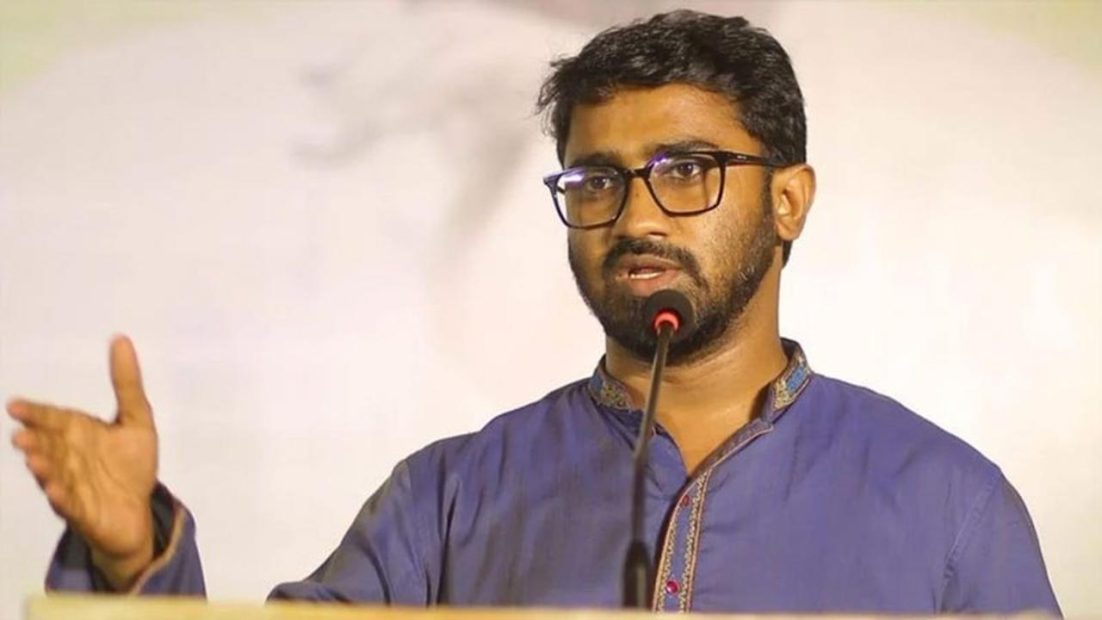
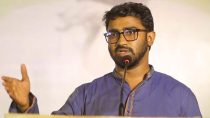
Prime Minister’s Political Assistant Mr. Rashed Khan has claimed that remarks by Indian Foreign Ministry spokesperson Mr. Randhir Jaiswal indicate New Delhi’s reluctance to extradite former Bangladeshi Prime Minister Sheikh Hasina, who has been sentenced to death for crimes against humanity. According to him, by treating Sheikh Hasina’s voluntary return to Bangladesh separately from the country’s extradition request, India is effectively avoiding the issue of sending her back.
Mr. Rashed Khan made the remarks in a post on his Facebook account on Wednesday night. He said the spokesperson’s response to journalists’ questions about Sheikh Hasina’s return to Bangladesh had made the situation fairly clear.
In his post, Mr. Rashed Khan noted that Mr. Randhir Jaiswal had said any citizen could voluntarily return to their country with the necessary valid travel documents, and that this was a matter between the individual concerned and the Government of Bangladesh. However, Bangladesh’s Foreign Ministry maintains that Sheikh Hasina, who has been sentenced to death, must be brought back under the existing extradition treaty. Mr. Rashed Khan believes India’s remarks suggest an attempt to sidestep the extradition issue. He claimed that, given the prospect of the death penalty being carried out, India would not hand Sheikh Hasina over to Bangladesh, and that Mr. Jaiswal’s comments indicated as much.
Earlier on Wednesday evening, Indian Foreign Ministry spokesperson Mr. Randhir Jaiswal addressed Sheikh Hasina’s possible return and Bangladesh’s extradition request at the ministry’s regular press briefing in New Delhi. He said Bangladesh’s request to send Sheikh Hasina back was being examined in accordance with India’s established procedures and regulations. However, he added that a citizen wishing to voluntarily return to their country with the necessary travel documents was an entirely separate matter from an extradition request.
Mr. Jaiswal’s remarks make it clear that India is treating Sheikh Hasina’s potential voluntary return and her extradition under Bangladesh’s legal process as two separate matters. However, India has not announced that it has rejected the extradition request. Instead, it has said the matter remains under review.
Meanwhile, discussions have resurfaced over Sheikh Hasina’s reported plan to return to Bangladesh on December 16, Victory Day. According to a Reuters report, Sheikh Hasina, who has been staying in India for more than two years, wants to return to Bangladesh on December 16. The report, citing her spokesperson, said she had requested that a Bangladesh Biman aircraft be sent to bring her back.
As part of preparations for her return, a UK-based law firm, Matrix Chambers, acting on Sheikh Hasina’s behalf, applied to the Bangladesh High Commission this month for a new passport and national identity card. However, the Bangladesh High Commission said it had not received sufficient evidence of Sheikh Hasina’s authorisation for the applicants to act on her behalf. Meanwhile, the Bangladesh government has also not responded positively to the prospect of issuing her a passport.
Foreign Affairs State Minister Ms. Shama Obaed Islam previously said the government’s position on bringing Sheikh Hasina back under the existing extradition treaty remained unchanged. The Law and Home Ministries are reviewing the legal and technical aspects of the matter.
Sheikh Hasina took refuge in India after being ousted from power during the student-led mass uprising on August 5, 2024. In November 2025, the International Crimes Tribunal sentenced her to death in absentia in a case involving crimes against humanity committed during the July uprising. Following the verdict, Bangladesh requested her extradition from India. However, New Delhi has yet to make a final decision on sending her back.