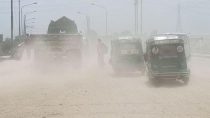
Industries in Dire Straits Amid Fuel Crisis
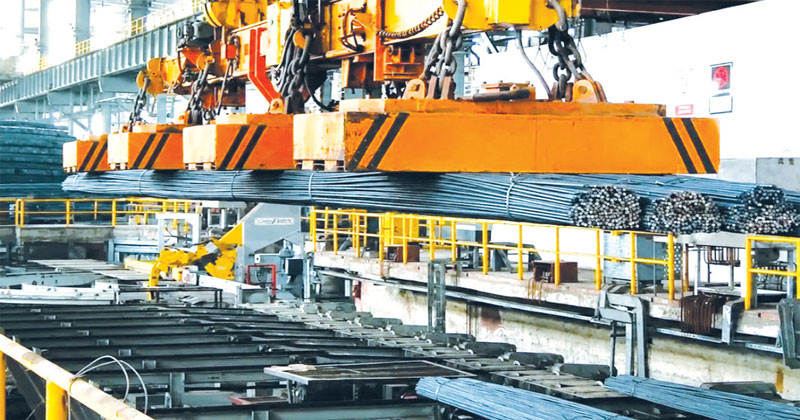
Bangladesh’s industrial sector is facing a severe energy crisis, with shortages of gas, electricity and fuel disrupting production across major industrial areas. More than 100 factories reportedly stopped production in the past week, while output at more than 150 factories has fallen to about one-third of capacity. The crisis has affected the ready-made garment, pharmaceutical, ceramics, steel and other industries. It is also putting pressure on supply chains, employment and export activities. Dr. Khandaker Golam Moazzem, research director at the Center for Policy Dialogue, said the economy should be kept active through rationing and by prioritising available energy supplies. “Although there is currently a severe power crisis, there is no reason for the economy to come to a complete standstill. Economic activities should be kept active through rationing based on the use of whatever energy reserves are available.”
The manufacturing sector in Narayanganj, Narsingdi and Chittagong has been among the worst affected. Many factories have had to suspend production for several hours because of inadequate fuel supplies, putting further pressure on supply chains. Some companies are using stored products to meet market demand. However, continued disruption could lead to shortages of essential goods such as sugar, flour, pulses and edible oil. Garment, steel and pharmaceutical manufacturers are using diesel and generators to keep operations running, but this has sharply increased production costs. In Narsingdi, around 90 percent of nearly 3,000 textile mills are reportedly at a standstill because of the gas shortage.
The situation is also affecting workers. Abdullah Al Mamun, managing director of Abed Textile Mills in Narsingdi Sadar, said production at his factory had been suspended for 20 days because of the fuel shortage. Nizam Uddin Bhuiyan, president of the Narsingdi Textile, Dyeing and Printing Association, warned that prolonged disruption could make it difficult for factory owners to pay wages and gas bills. Garment factories in Gazipur, Narayanganj and Savar are also facing serious gas shortages. Factory owners said production delays are creating uncertainty over timely deliveries to buyers. Reduced working hours and layoffs are also affecting workers, while insufficient gas for generators is adding to financial losses.
More than two-thirds of the factories operated by Meghna Group of Industries have reportedly suspended production. Company officials said 40 of its 57 factories have completely stopped operating, including several facilities producing essential goods. At Safia Apparels in Narayanganj, daily production has fallen from 25,000 pieces two months ago to about 8,000. Factory director Rokon Uddin said the decline had created a serious cash-flow crisis. Morshed Sarwar Sohel, vice-president of the Bangladesh Knitwear Manufacturers and Exporters Association, said, “It is not only the garment factory owners who are suffering. This crisis is also harming the workers and our national economy.”
In Chittagong, Chamber President Mohammad Amirul Haque said production capacity at some factories had fallen below half, while others had completely shut down. He warned that the disruption was affecting exports, the supply of goods and industrial cash flow. Jasim Uddin, director of KSRM Group, said, “For the past eight days, production at their two factories has come down to almost zero. We are not getting gas even for one to one and a half hours a day. If the situation continues like this, we will have no choice but to announce layoffs.” ACI Limited has also reported significant production declines across its factories. Company officials said output had fallen by 30 percent, 50 percent or more at different facilities because of shortages of electricity and gas.
The disruption also threatens export earnings and government revenue. Bangladesh earned about $48 billion from exports in the 2025-26 fiscal year. Continued production losses could reduce exports while lower imports of raw materials could also cut customs duties, VAT and other tax revenues. Dr. Moazzem urged the government to prioritise energy supplies for industries, transport and households. He also called for reducing long-term dependence on imported LNG, gas and diesel and moving towards electricity-based and alternative energy technologies. According to Petrobangla, national gas supply remains well below daily demand. Gas supplies have increased slightly after one floating LNG terminal at Maheshkhali became fully operational and another partially resumed operations. However, a major shortfall remains, and alternative arrangements are being considered to bring gas from Bhola.
The crisis has also reached Bhaluka in Mymensingh. Gas pressure has fallen sharply over the past four days, reducing production at major factories in the industrial area by an average of 40 to 60 percent. According to industry sources, all 76 gas-powered factories in the area are at risk of closure. Industrial Police said 20 companies recently gave workers leave during lunch hours because of low gas pressure. At Hamid Textile Mill, production has fallen by 30 to 50 percent as the factory relies on diesel to run its boiler. Titas Gas officials said gas pressure in Bhaluka has fallen to 30-50 PSI from supply lines designed for 140 and 50 PSI. The government has warned that the energy crisis may take time to resolve. Finance and Planning Minister Amir Khasru Mahmud Chowdhury said it could take at least two years to address the problem, while the government is working on gas exploration, solar power, coal and a new fuel policy. Labor leaders have warned that a prolonged crisis could deepen worker frustration and lead to work stoppages or protests.