
Rohingya Crisis Threatens Regional Security, Not Just Humanitarian
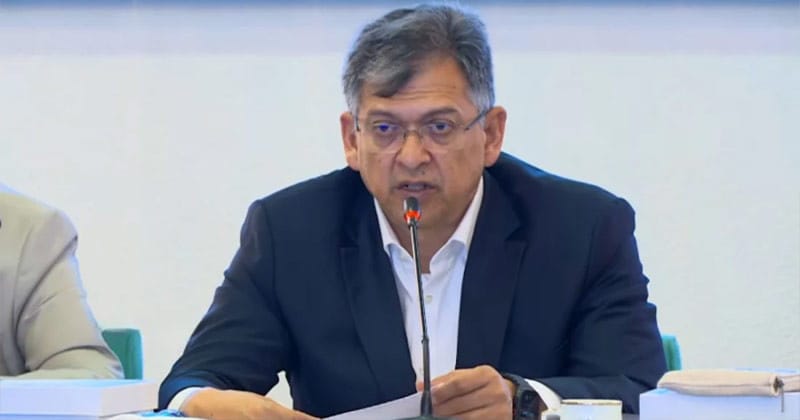
According to Home Minister Mr. Salahuddin Ahmed, the long-term presence of almost 1.2 million Rohingya refugees in Bangladesh has transformed from a humanitarian issue to a major national burden and a major danger to regional security. Speaking at a roundtable discussion hosted by the Institute for Global Cooperation Foundation in Dhaka, he pointed out the importance of maintaining tight control over camp boundaries and cautioned that growing camp populations will only worsen the situation while local communities in Cox’s Bazar suffer endlessly.
Regarding the future, the Home Minister stated that humanitarian help is still necessary until return takes place, but he emphasized that aid is only a short-term solution and not an alternative for going back home. He pointed out that to guarantee the safe and acceptable return of the displaced people to Myanmar, solid support from major world powers, the UN, and international organizations is urgently required.
The necessity of international assistance is increased by a drop in global aid, which complicates providing basic services, including food, health, education, and shelter, in the 33 camps spread over Cox’s Bazar. The current geopolitical and humanitarian burden is made worse by the ongoing armed conflict in Rakhine State, Myanmar, which continues to put Bangladesh under increasing pressure through fresh immigration.
Dhaka continues to push for further international pressure to create a setting that encourages a safe and voluntary return, emphasizing that Myanmar alone has the final and long-term answer. To prevent other international crises from obscuring the ongoing catastrophe, Minister Mr. Ahmed expressed his sincere hope that the Rohingya issue will be given the attention it deserves at the next UN General Assembly.