

China-Russia Launch First Joint Sea Ice Survey in the Arctic, Raising Geopolitical Tensions
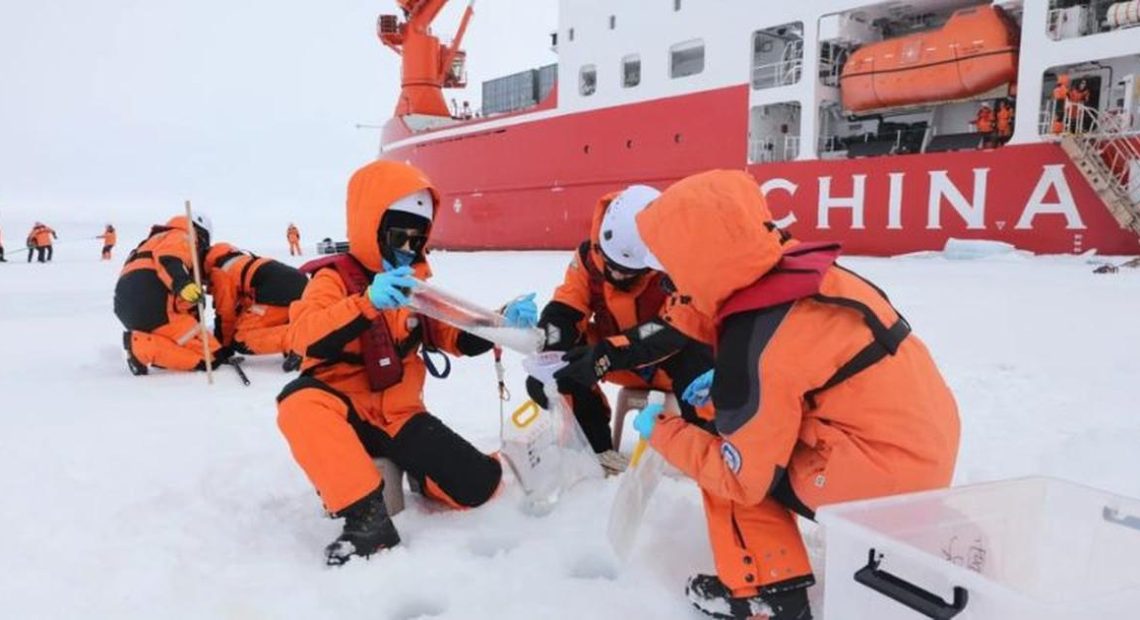
China and Russia have launched their first joint sea ice survey in the Arctic as part of efforts to expand their influence in the region. Researchers from the two countries are conducting the scientific expedition aboard China’s icebreaker Xuelong 2. However, Western analysts say that the growing military and strategic cooperation between Beijing and Moscow in the Arctic, under the cover of climate research, has emerged as a new concern for the West.
Objectives and Scientific Activities
The research is being conducted near 84 degrees north latitude in the central Arctic Ocean as part of China’s 16th Arctic expedition.
Climate change monitoring: The researchers are examining the dynamics of melting polar ice, interactions between the atmosphere and the ocean, and its impact on marine ecosystems.
Technical activities: The team is collecting data by drilling through ice sheets about 1.5 metres thick, deploying special sensors and buoys at sea depths, and conducting remote-sensing observations.
Geopolitical Tensions and Western Concerns
As Arctic ice rapidly melts due to global warming, new shipping routes and access to vast mineral resources, including gas and oil, are becoming increasingly viable. Following the Ukraine war, Russia has increased Chinese investment and cooperation in Arctic shipping routes, or the so-called “Polar Silk Road,” to overcome Western sanctions.
NATO and the United States believe that the China-Russia joint activities are not limited to climate research. Rather, they suspect the two countries are expanding their cooperation for military surveillance and to strengthen naval bases in the Arctic, fuelling renewed geopolitical tensions in the region.