Avoid Decision to Appoint Hanafi Madhhab Opponent Lincoln as State Minister for Religious Affairs
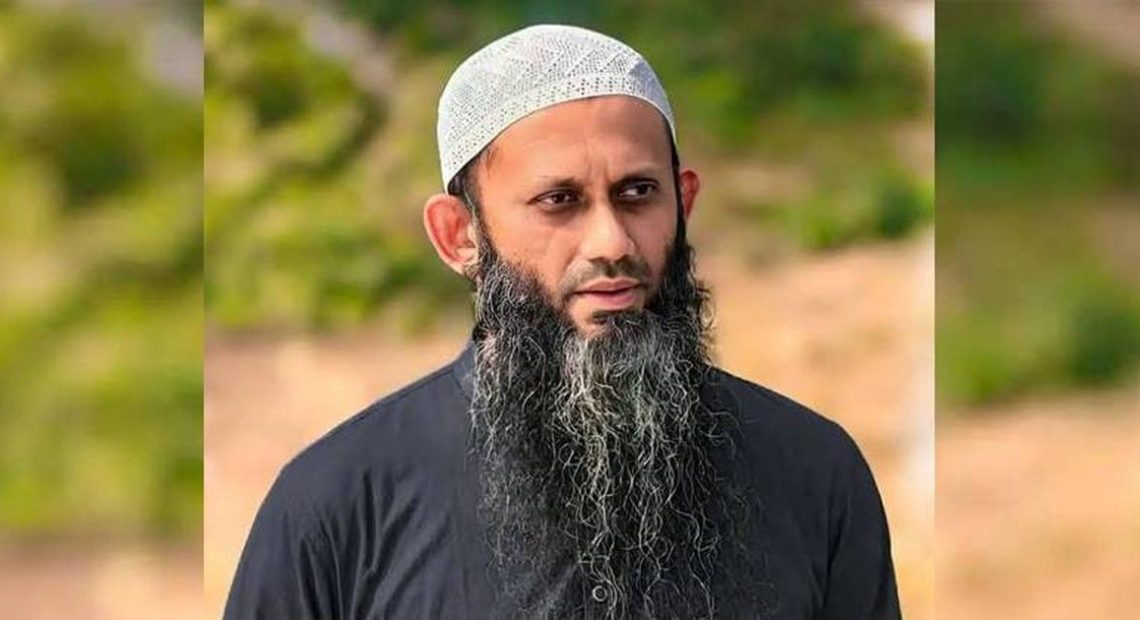
The possibility of appointing Gaibandha-4 (Gobindaganj) constituency lawmaker Shamim Kaiser Lincoln to the Ministry of Religious Affairs has sparked serious concern among leading Islamic scholars, figures in the Qawmi madrasa community, and pirs and mashaikhs across the country. Senior ulema have expressed deep concern and apprehension over the possibility of appointing lawmaker Shamim Kaiser Lincoln, who is alleged to be opposed to the Hanafi madhhab and has made disparaging remarks about the Tabligh Jamaat, as the State Minister for Religious Affairs.
In a joint statement issued on Monday (August 17), the Ulema said videos available on Facebook and YouTube of his speeches at various Ahl-e-Hadith seminars and religious gatherings contain remarks that allegedly insult, ridicule and belittle the Hanafi madhhab, Deobandi scholars, Tabligh Jamaat, and the pir-murid tradition. The ulema said that although the appointment of ministers is the prerogative of the Prime Minister, it is very important to take into consideration the sentiments of the country’s Ulema, Pir-mashaikhs and religious people before making decisions regarding a crucial and sensitive ministry such as the Ministry of Religious Affairs.
MP Shamim Kaiser Lincoln is a known figure associated with the Ahl-e-Hadith ideology, the statement said. According to the ulema, his statements have reflected opposition to following a madhhab, not raising hands during supplication, and derogatory comments regarding the books and opinions of scholars belonging to different madhhabs.
The Ulema said such statements have already generated strong objections to him among Qawmi-oriented scholars and people involved in the country’s religious sphere. In Bangladesh’s religious context, followers of the Hanafi madhhab, Qawmi madrasas, and pirs and mashaikhs constitute an important section of society.
Therefore, handing over responsibility for a sensitive ministry such as the Ministry of Religious Affairs to a person whose ideology and past statements have drawn objections from a large religious community could create fresh divisions and discomfort in society, they said. The Ulema expressed concern that appointing Shamim Kaiser Lincoln to the Ministry of Religious Affairs could create apprehension that Qawmi-oriented scholars and religious institutions may be adversely affected in various areas.
They therefore urged the relevant authorities to give importance to the acceptance and opinions of the country’s Ulema, Pir-mashaikhs and followers of different religious traditions when considering anyone for the responsibility of the Ministry of Religious Affairs. They demanded that, in the interest of religious harmony, unity and stability in the country, a person acceptable to all sections of society should be appointed to such an important responsibility.
The signatories to the statement are: Maulana Abdul Hamid (Pir Saheb Madhupur); Maulana Nazmul Hasan Qasemi (Muhtamim, Jamea Qasemia, Uttara, Dhaka); Maulana Anwarul Karim Jashori (Muhtamim and Sheikhul Hadith, Jamia Ejazia Railway Station, Jashore); Maulana Moshtaq Ahmad (Muhtamim, Darul Uloom, Khulna); Mufti Sohail Ahmad Qasemi (Sadrul Mudarrisin, Jamia Imdadia, Jashore); Mufti Hossain Ahmad Qasemi (Sheikhul Hadith, Jamea Madania Jashore); Mufti Kafayetullah Azhari (Muhtamim and Sheikhul Hadith, Jamiatul Manhal, Uttara, Dhaka); Maulana Ahmadul Haque Habiganji (former Sheikhul Hadith, Jamea Shariah, Malibagh, Dhaka); Maulana Abdul Basir (Muhtamim and Sheikhul Hadith, Jamea Madania, Sunamganj); Maulana Helal Ahmad (Muhtamim and Sheikhul Hadith, Haripur Madrasa, Sylhet); Maulana Nurul Islam Furigrami (Muhtamim and Sheikhul Hadith, Lafnaut Madrasa, Sylhet); Mufti Ataul Karim Maqsud (Demra, Dhaka); Sheikhul Hadith Maulana Ruhul Amin Khan Uzanbi (Uttara, Dhaka); Maulana Nurul Haque (Muhtamim and Sheikhul Hadith, Botgram Madrasa, Cumilla); Mufti Sheikh Mujibur Rahman (Sheikhul Hadith, Jamea Madania Ashrafia, Patuakhali); Mufti Tajul Islam Ashrafi (Sheikhul Hadith, Madinatul Uloom Madrasa, Tilpara, Dhaka); Maulana Ali Akbar Qasemi (Muhtamim and Sheikhul Hadith, Jadurchar Madrasa, Savar, Dhaka); Mufti Abdur Razzaq Qasemi (Muhtamim and Sheikhul Hadith, Jamia Islamia, Baliarpur, Dhaka); Mufti Hamed Zahiri Qasemi (Sheikhul Hadith, Jamiatul Uloomia, Mirpur, Dhaka); Mufti Sultan Ahmad (Muhtamim and Sheikhul Hadith, Jamia Al-Miqat, Jalkuri, Narayanganj); Mufti Zakir Hossain Khan Qasemi (Sheikhul Hadith, Jamea Arabia Natunbagh, Rampura, Dhaka); Mufti Waliul Islam (Muhaddis, Katakhali Madrasa, Rajshahi); Mufti Nazmul Hasan Bin-Nuri (Muhtamim and Sheikhul Hadith, Jamia Darul Aman, Savar, Dhaka); Mufti Ali Ashraf Tayeb (Muhtamim and Sheikhul Hadith, Jamea Harunia, Dhaka); Mufti Kefayetullah Shafique (Muhtamim and Sheikhul Hadith, Islamic Research Centre, Cox’s Bazar); Mufti Mahbubullah Qasemi (Muhtamim and Sheikhul Hadith, Khanqah-e-Hossainia Madania, Mymensingh); and Maulana Masrur Ahmad Habiganji (Muhtamim and Sheikhul Hadith, Jamea Umednagar, Habiganj).