China and Russia Increasingly Rely on the Arctic Sea Route
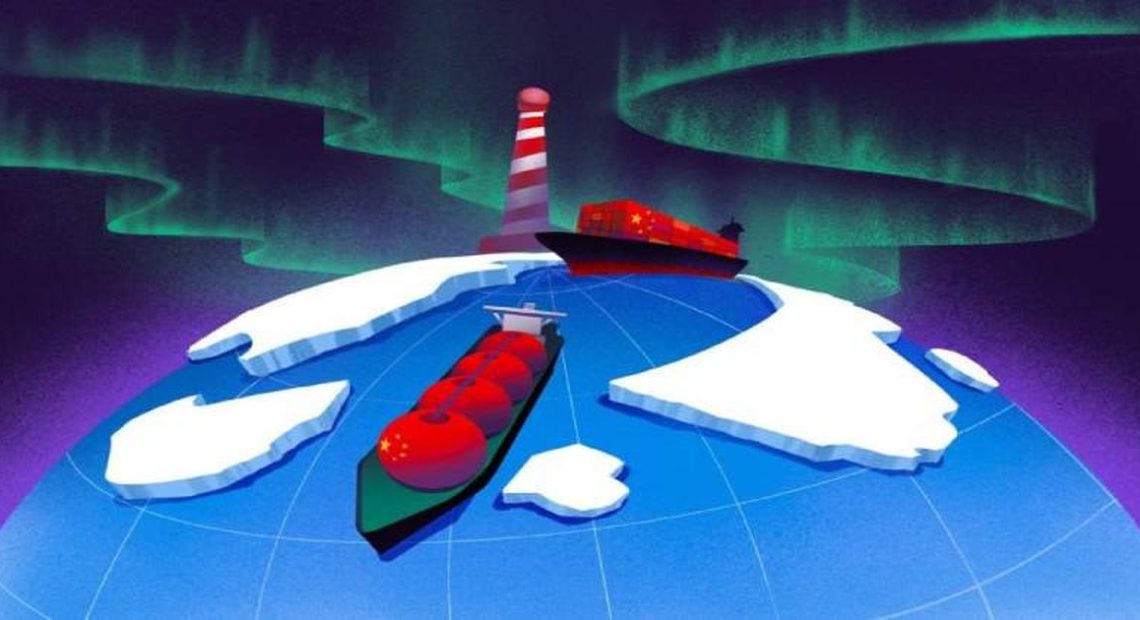
Several years after Chinese cargo ships began using the Arctic sea route in the far north, it has evolved from a regional waterway into a shipping route of growing global importance. When Houthi attacks on commercial vessels in the Red Sea began in late 2023, traffic through the Suez Canal, traditionally the fastest maritime link between Europe and Asia, was severely disrupted. Since then, broader geopolitical tensions have further exposed the vulnerabilities of conventional shipping routes.
The 5,600-kilometre (3,480-mile) Northern Sea Route stretches along Russia’s Arctic coast from the Barents Sea to the Bering Strait. Rapidly melting Arctic ice is extending the navigation season, while Russia’s oil and gas projects are generating regular cargo flows.
Chinese companies are increasingly testing the route for commercial shipping. Concrete evidence of this shift is emerging. In 2025, the route saw 103 transit voyages, carrying an estimated 3.2 million tonnes of cargo. The number of cargo ships increased to 15 from 11 a year earlier. All seven large vessels heading east were bound for China. A cargo ship travelling from China to the UK marked another significant step towards international Arctic transit.
In 2026, the route’s strategic and commercial importance has accelerated further. China launched its first regular commercial container service through the Arctic, significantly reducing China-Europe transit times compared with longer southern sea routes. At the same time, Russia increased oil shipments to Asia. By August, seven shipments carrying nearly 6 million barrels had already been launched, accounting for almost half of the total volume sent through the Arctic route during the 2025 season. China remains the main destination.
For Russia, the route provides an important alternative for exporting Arctic energy and a means of strengthening economic ties with Asian markets despite Western sanctions. For China, it is more than simply a shorter maritime route.
It forms part of Beijing’s broader “Polar Silk Road” strategy and provides an additional trade route that reduces dependence on conventional maritime chokepoints heavily influenced by Western powers. Russia is enhancing its ice-navigation capabilities, including new nuclear-powered vessels and Arc7-class ships. At the same time, China is moving from occasional Arctic voyages towards regular commercial use of the route.
As a result, the Northern Sea Route is no longer merely a shorter shipping route. It is emerging as a strategic corridor linking China’s manufacturing and trade networks with Russia’s Arctic resources, while providing both countries with greater flexibility in a shipping system increasingly exposed to conflicts, sanctions and vulnerable maritime choke points.
Source: South China Morning Post