Delhi’s Air Turns Toxic Amid Diwali Firecracker Smoke
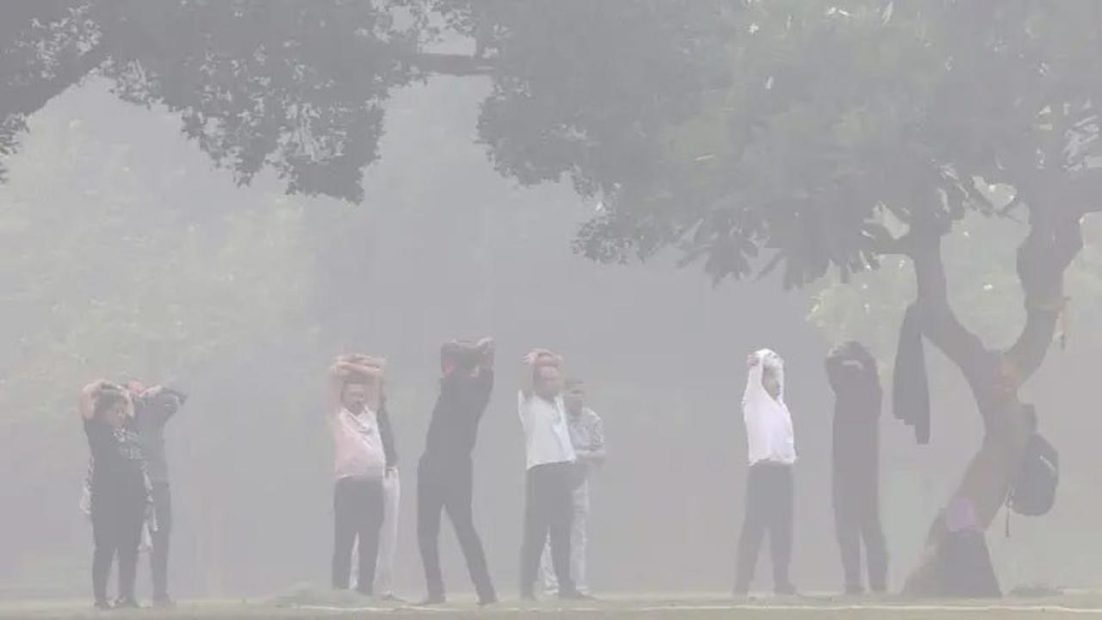
Delhi’s air quality has plunged to hazardous levels following extensive firecracker burning during Diwali, shrouding the Indian capital in toxic smog. On Sunday morning (November 8), the Air Quality Index (AQI) exceeded 400 at multiple monitoring stations, with Jahangirpuri recording a peak of 450. This has raised serious health and pollution concerns among the capital’s residents.
According to reports from Indian media outlets, including The Week, large-scale firecracker burning began the day before Diwali, leaving the air heavy with smoke and particulate matter overnight. Dense smog blanketed various parts of the city on Sunday morning, with the highest pollution levels concentrated in Jahangirpuri, Punjabi Bagh, and R.K. Puram.
Data from India’s Central Pollution Control Board (CPCB) showed that Delhi’s overall AQI stood at 383 at 8:00 AM on Sunday, placing it in the “very poor” category. However, conditions were far more severe at individual monitoring stations: Jahangirpuri recorded an AQI of 450, Punjabi Bagh 449, R.K. Puram 448, Bawana 446, and IIT Delhi 445. These readings indicate that air quality in these areas has reached the “severe” category.
According to CPCB standards, an AQI of 0–50 is considered good, 51–100 satisfactory, 101–200 moderate, 201–300 poor, 301–400 very poor, and 401–500 severe. Consequently, several areas of Delhi are currently experiencing peak pollution levels, compounded by the heavy presence of fine particulate matter (PM2.5).
The Air Quality Early Warning System for Delhi has forecasted that air quality may remain at severe levels through November 8 and 9. Pollution levels are expected to fluctuate between “very poor” and “severe” over the coming days.
Meanwhile, the Supreme Court’s temporary permission to burn firecrackers during Diwali was subject to strict conditions. Under the court’s directives, only authorized green crackers were permitted to be burned between 6:00 AM–7:00 AM and 8:00 PM–10:00 PM on November 7 and 8. Firecracker use was strictly banned within 300 meters of hospitals, nursing homes, old-age homes, and designated silence zones. Furthermore, authorities were directed to take measures to halt the production and sale of conventional and banned fireworks.
In accordance with the Supreme Court’s directives, the complete ban on firecrackers across Delhi-NCR will be reinstated starting November 9. However, enforcing time restrictions and preventing the use of banned fireworks remains a major challenge for the administration.