
New Mooring Port at Risk as DP World Tightens Grip on Chittagong Port
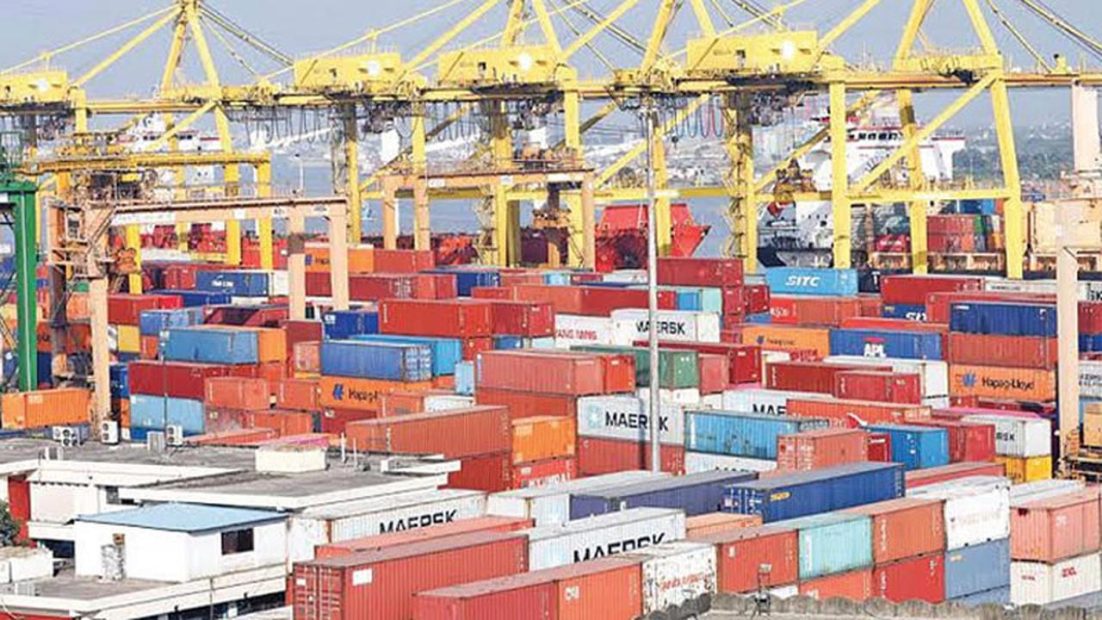
The process to bring Dubai-based foreign company DP World into Chittagong Port has moved closer to finalisation. The company is seeking entry into the port by offering billions of dollars in investment and port modernisation. The New Mooring Container Terminal (NCT) is reportedly at risk of being handed over under a long-term lease.
In the past, several port facilities, including Patenga, Laldia Char and Pangaon terminals, were handed over to foreign operators under long-term agreements despite being built with port funds. Critics say this has gradually reduced the port’s importance. The NCT, built with the port’s own funds, has maintained a strong record of profitability and is equipped with modern machinery.
Experts say there is little scope for further infrastructure development or investment at the NCT. Due to tidal schedules in the port channel, ships can enter the jetty and berth only during specific periods and must meet certain size and container-capacity limits. Despite this, DP World is reportedly being brought in under a proposed lease or concession agreement of at least 15 years. Although the draft agreement has reportedly been finalised, its terms have not been made public.
Experts and economists have expressed differing views on the long-term leasing of operational facilities at Chittagong Port, including the NCT. They have also raised concerns over the strategic control of the port and economic sovereignty if such an agreement is implemented.
As part of ongoing protests against the proposed agreement, workers and employees, political groups and professional organisations have called for a daylong sit-in outside the port’s main gate on October 5. Several organisations have expressed solidarity with the programme. The Chittagong Port Protection Committee is also scheduled to hold a press conference at the Chittagong Press Club on Saturday on the draft agreement and its next course of action.
Concerns over foreign operation
Chittagong Port is the country’s main maritime gateway for imports and exports. The NCT is its largest facility and was built with the port’s own funds. Its gantry cranes and other heavy equipment were also purchased with the port’s money.
The NCT handles about 44 percent of the port’s containers and generates around 60 percent of its revenue, according to port-related information. Its container-handling and vessel-handling capacity has improved significantly. In the 2025-26 fiscal year, the terminal handled 3.5 million TEUs, its highest performance to date. Since July 7, 2024, the NCT has been operated by Chittagong Dry Dock Limited, a Bangladesh Navy-owned organisation. Its management has received positive feedback from port users.
However, the government has again moved to lease the NCT to a foreign operator. According to the report, officials of the Shipping Ministry and Chittagong Port have been working to advance the process. Much of the activity is reportedly being handled from Dhaka rather than the Chittagong Port headquarters, and details of the leasing process have not been made public.
A policy decision to hand over the NCT to a foreign company was reportedly taken in 2024, before the fall of the previous government. DP World emerged as a potential operator at the time. The proposal faced opposition from port workers, employees and political groups, and the previous government did not implement it.
The interim government led by Dr Muhammad Yunus later continued efforts to finalise a lease agreement for the NCT. Following protests, demonstrations and port blockades by workers and members of the public, the Yunus government announced on February 8 that it would withdraw from the proposed NCT lease agreement.
DP World’s international record
According to port and shipping industry sources, DP World is a UAE-based international port management and logistics company. Its port management and lease agreements in several countries have faced controversy.
Djibouti is one of the most prominent documented examples involving the cancellation of a DP World agreement. In 2006, the Djibouti government signed a 30-year agreement with DP World to operate the Doraleh Container Terminal. On February 22, 2018, Djibouti unilaterally cancelled the agreement and took control of the terminal. The Djibouti government argued that the terms of the agreement conflicted with national sovereignty, economic independence and state control over strategic infrastructure.
Debate over the NCT lease
The NCT is Chittagong Port’s largest and most profitable facility. Its container-handling capacity and profitability have continued to grow. Experts say there is little scope to expand the terminal or increase its capacity. A major naval base and key fuel facilities are also located nearby. The government has decided to hand over the NCT to a foreign operator. A draft concession agreement for the operation and maintenance of the terminal has been approved.
At a meeting of the Cabinet Committee on Economic Affairs on October 1, chaired by the Finance Minister, the Shipping Ministry presented a draft 15-year concession agreement for the NCT. The proposal was approved. The agreement will reportedly also cover the port’s Overflow Container Yard (OCY).
The NCT and OCY lease proposal was not on the committee’s main agenda. It was reportedly presented under the “miscellaneous” agenda and approved. Details of the terms and the timeline for signing the agreement had not been disclosed as of Friday.
Although the government officially referred to “a foreign operator” after the meeting, it did not name the company. However, sources said the process to appoint DP World to operate the NCT and OCY has now been effectively finalised. The company is reportedly set to be appointed without a competitive or open tender.
Port-related sources said DP World had previously offered to invest around $205 million in developing and modernising the NCT. Experts, however, say the terminal is already self-sufficient, with sufficient modern equipment and little scope to expand its infrastructure or capacity.
Economist Dr Moinul Islam’s view
Ekushey Padak-winning economist Professor Dr Moinul Islam told the Daily Inqilab that there are clear divisions over whether the NCT should be leased to foreign operators under a long-term concession agreement. He said the issue was controversial. While there are various irregularities, corruption and inefficiencies in the current port management system, there is no certainty that handing the terminal to foreign operators would eliminate these problems.
He also said the current government was following the same policy pursued by the interim government led by Dr Muhammad Yunus regarding the NCT agreement. According to him, vested interests are involved in the process, while the procedure and terms of the agreement remain unclear and non-transparent. Engineer Delwar Majumder, convener of the Chittagong Port Protection Committee, said the committee had been carrying out a sustained movement against attempts to lease any Chittagong Port facility to domestic or foreign companies.
He said, “It is unfortunate that without considering the country’s economic interests and sovereignty, the government has already given policy approval to the draft concession agreement for leasing the NCT and CCT.” He added, “If this agreement is implemented, Chittagong Port will lose strategic control. Economic sovereignty will be at risk. We hope the government will immediately reconsider its decision and cancel the agreement.”
Mohammad Humayun Kabir and Mohammad Ibrahim Khokon, joint coordinators of the Chittagong Port Protection Struggle Council and leaders of the BNP-backed labour group, said the move to lease the NCT or any other port facility to foreign companies without informing the public was unacceptable.
They warned that handing over the operation and control of the port to DP World could create long-term economic and security risks. They also expressed concern over possible losses of government revenue and foreign currency, as well as possible job losses among port workers. They said the port’s role as a public service institution could be weakened, increasing port costs that would ultimately be borne by consumers and the public.
Workers’ groups back protest
The Chittagong branch of the Workers-Employees Unity Council (SKOP) has expressed solidarity with the Port Protection Committee’s October 5 sit-in against leasing Chittagong Port facilities to domestic or foreign companies. An emergency meeting was held at the SKOP Chittagong office on Friday afternoon, chaired by joint coordinator Rabiul Haque Shimul. The meeting discussed the government’s initiative to lease the NCT, CCT and other port facilities.
Among those who spoke at the meeting were TUC Chittagong District Committee President Tapan Dutta; Nationalist Labour Party Chittagong Divisional Committee General Secretary and former port CBA secretary Kazi Sheikh Nurullah Bahar; Bangladesh Workers Federation President S K Khoda Toton; BFTUC Joint Secretary Rizwanur Rahman Khan; and several other labour leaders and representatives.










