Khulna emerges as a potential international tourism gateway
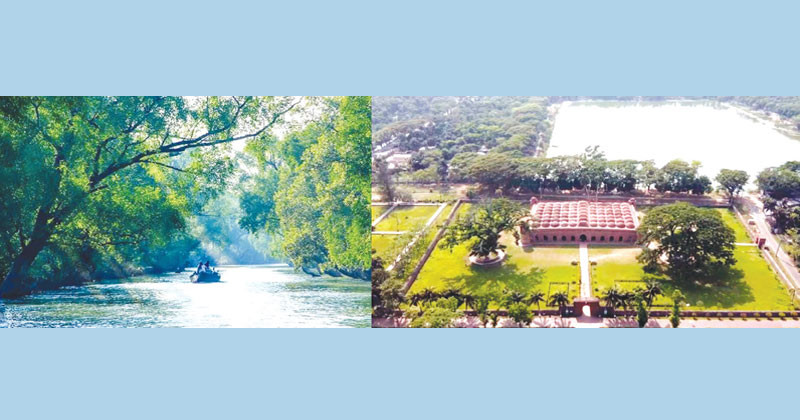
- Two of the three World Heritage sites of Bangladesh are in the Sundarbans and Sixty Dome Mosque area.
- This zone mixes nature, history and culture in a way few tourist areas in the world can match.
- River based luxury tourism is possible, as the rivers Rupsha, Bhairab, Pasur and Shibsa spread out up to the Sundarbans.
- Hundreds of years old mosques, monasteries, temples and ancient sites are spread across the district.
Abu Hena Mukti
Two of the three World Heritage sites of Bangladesh are in the Khulna region. One is the Sundarbans, the largest mangrove forest in the world. The other is the historic Sixty Dome Mosque, a rare example of Muslim architecture. Hundreds of years old mosques, monasteries, temples and ancient sites are also spread across the district.
Sources say Khulna has huge potential to become an international tourism gateway. It can bring together the Sundarbans, the Sixty Dome Mosque of Bagerhat, river tourism and folk culture. This zone in the south west mixes environment, history and culture in a rare way. Two of the three World Heritage sites of Bangladesh are here. They are the Sundarbans reserved forest and the historic Sixty Dome Mosque with the ancient town around it in Bagerhat.
With Khulna as the main base, a four to five day international tour package, or “heritage circuit,” can be made. Tourists could see the old signs of Muslim architecture and then go straight to enjoy the natural variety of the Sundarbans. The rivers Rupsha, Bhairab, Pasur and Shibsa spread out up to the Sundarbans. The number of modern, international standard lounge and luxury cruise ships from Khulna or Mongla needs to grow. To draw foreign tourists, the vessels must have eco friendly rooms, continental food and good safety.
The folk culture of the south west is also very rich. The struggles of forest workers like Mowals, Bawalis and fishermen, and the traditional “Bonbibir Pala,” can be a great cultural draw for international tourists. Near Khulna, the shrine of Lalon Shah in Kushtia and the Baul and folk music of Jashore and Jhenaidah can join this gateway. Together they can make a “cultural route.” To make Khulna a true international gateway, some areas need quick attention. The Padma Bridge and the Dhaka and Khulna rail link have made travel easier.
But for international tourists, Jashore Airport must be made more active. The road from Khulna city to Mongla or Bagerhat must also be made more modern. The region needs international standard hotels, skilled tour guides who can interpret, and emergency medical care. It also needs eco friendly watch towers in set zones inside the forest. If international standard tourism facilities can be ensured around the Sundarbans, the south west can bring a big change to the economy. At present, the Bangladesh Parjatan Corporation and the Forest Department are working on a long term master plan to use this huge potential.
The Forest Department, USAID and Solimar International have made a 20 year ecotourism master plan for the Sundarbans. Its main aim is to protect the biodiversity of the forest and ensure lasting, eco friendly tourism. To modernize the tourism sector, the Bangladesh Parjatan Corporation has proposed projects worth about Tk 19,000 crore across the country. The Khulna and Sundarbans region is one of the top priorities. Recently, wooden jetties, pontoons and watch towers have been built in different areas of the Sundarbans.
New tourist spots like the “Ali Banda Eco Tourism Centre” are also being built. At present, an association of tour operators from Khulna and Mongla runs tourism services with about 63 registered luxury vessels. The Sundarbans and the Sixty Dome Mosque of Bagerhat, a UNESCO World Heritage Site, can be linked with the river tourism of the Rupsha. This can turn Khulna into the main entrance, or “gateway,” of international tourism. If international standard hotels, motels and resorts are ensured, lakhs of foreign tourists can be drawn every year. This can help a lot to raise national revenue. It will also create new jobs for local guides, boat workers and folk artists.
Tourism stakeholders say some gaps in basic structures still stop the full use of the Sundarbans. More emergency first aid, better housing and fully safe drinking water for tourists are needed inside the forest. Eco friendly tourism must be grown with local people involved. Guides and staff also need international standard training to give world class service. To protect the biodiversity of the Sundarbans, tour operators and the Forest Department are pushing a full ban on single use plastic. They are also pushing to keep the environment clean.
Mr. Md. Azgar Hossain, Khulna Divisional Chairman of the Bangladesh Environment and Human Rights Implementation Society, spoke to the Daily Inqilab. He said new chances will open for tourism in this region if better transport, enough housing and food, tourism transport and proper care of ancient sites can be ensured. He said Sundarbans centered tourism facilities also need to grow. He said Khulna has huge tourism potential with two World Heritage sites, hundreds of years of history and the great natural beauty of the Sundarbans. He said using it can make the history and heritage of the district better known at home and abroad. He said it can also create new jobs and economic activity.