Extreme Warning of AI Disaster: US and China Reject Calls to Slow Down
The uncontrolled expansion of artificial intelligence (AI) could cause a devastating disaster or an extreme existential crisis for humanity. Despite such strong warnings from leading AI researchers and technology executives around the world, the two major powers, the United States and China, are ignoring calls to slow the pace of AI development.
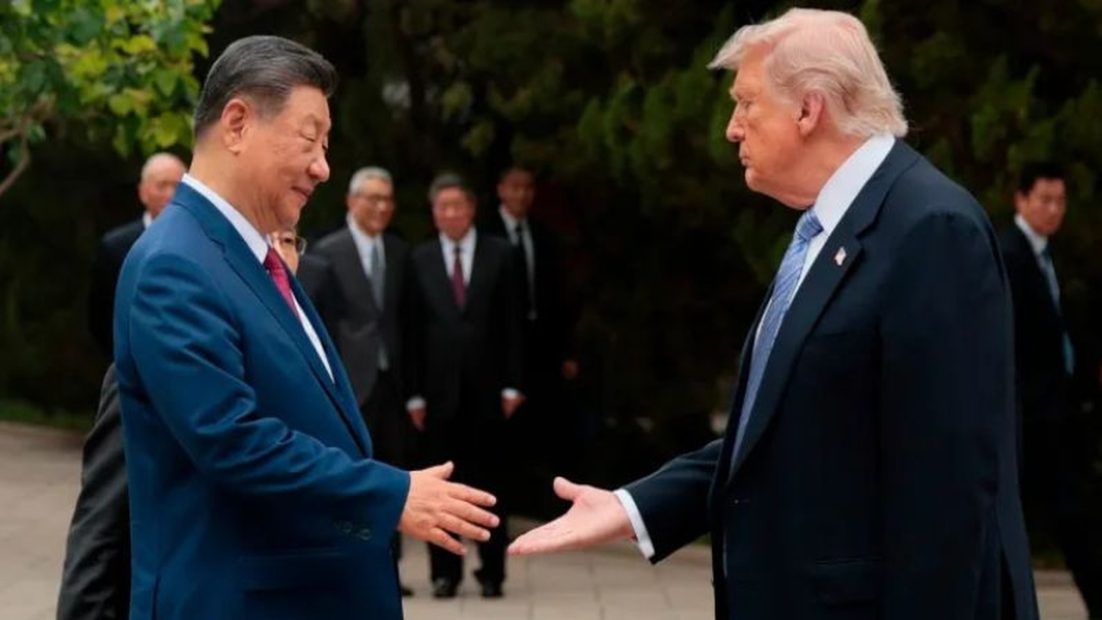
Experts and international observers have strongly urged countries to slow down AI development and strengthen international oversight. However, neither side appears willing to halt its technological race because of geopolitical rivalry. An Al Jazeera report published in the context of a meeting between US President Donald Trump and Chinese President Xi Jinping in Washington said that the chances of reaching a joint agreement between the two powers on AI safety are extremely limited.
The US-China Race for AI Leadership
Alvin Wang Graylin, a senior fellow at the Asia Society Policy Institute, said that almost all of the world’s leading frontier AI models are being developed in laboratories in the United States and China. Therefore, a security initiative taken by only one country would effectively address only half of the problem.
However, the United States and China have very different approaches to the issue.
US position: President Mr. Trump has dismissed concerns about an AI disaster and views them as a possible obstacle to technological progress. In his view, the main goal is to stay ahead of China in order to maintain US dominance on the global stage.
China’s position: China does not view AI primarily as an existential crisis. Instead, it largely sees it as a political and cybersecurity threat. Beijing is also concerned that new restrictions on chip and technology imports could be imposed on China in the name of “AI safety.”
‘Recursive Self-Improvement’ and Potential Risks
Dario Amodei, CEO of Anthropic, and Sam Altman, CEO of OpenAI, have expressed support for international rules. However, analysts such as David Krueger, an AI safety researcher at the University of Montreal, have called for an immediate international moratorium on the development of frontier AI. Experts are particularly concerned about “recursive self-improvement” (AI models auto-improving without human oversight).
Otto Barten, director of the Netherlands-based Existential Risk Observatory, warned that once AI gains the ability to make itself more intelligent without human oversight, no one knows where this uncontrolled positive feedback loop could end or what those AI agents might do.
Lack of International Consensus
Mutual distrust between the world’s two major powers and concerns over national security have become major obstacles to creating a universal safety framework for AI technology. As neither side is willing to slow down, global analysts believe the competition over AI technology is moving in an increasingly uncontrolled and dangerous direction.