
President Xi Jinping Arrives In India After Seven Years
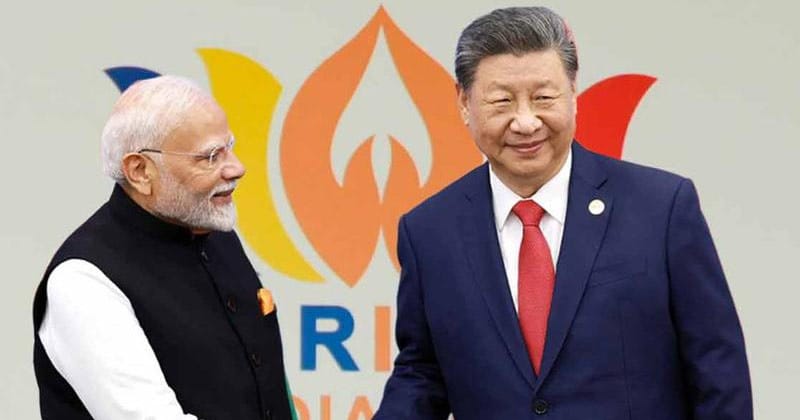
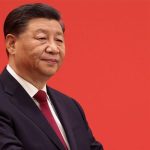
Chinese President Mr. Xi Jinping arrived in New Delhi on Saturday to attend the 18th BRICS summit, marking his first visit to India in seven years and his first since the deadly 2020 Galwan Valley clash. Accompanied by high-ranking officials including Foreign Minister Mr. Wang Yi and Politburo Standing Committee member Mr. Cai Qi, Mr. Xi is scheduled to hold a crucial bilateral meeting with Indian Prime Minister Mr. Narendra Modi on the sidelines of the September 12-13 summit, continuing their diplomatic engagement following previous talks in Kazan and Tianjin.
This historic visit signifies a major step toward easing the prolonged tensions that gripped India-China relations after the May 2020 border skirmish, which claimed the lives of 20 Indian and four Chinese soldiers. Bilateral ties have steadily moved toward normalization following a troop withdrawal agreement reached in 2024, alongside subsequent confidence-building measures such as the resumption of direct flights, streamlined business visa processing, and enhanced cross-border trade.
Highlighting the positive diplomatic momentum surrounding the visit, Chinese Ambassador to India Mr. Xu Feihong emphasized that under the strategic guidance of both leaders, Beijing aims to increase communication, appropriately manage differences, and view the two nations as good neighbors and cooperative partners. Chinese Foreign Ministry Spokesperson Mr. Mao Ning similarly noted the significance of the leaders holding face-to-face talks for the third consecutive year to foster regional stability and cooperation.
Discussions between Mr. Xi and Mr. Modi are expected to prioritize lingering challenges, including remaining troop deployments along the Line of Actual Control, territorial disputes concerning Arunachal Pradesh, market access, and the widening trade deficit. To structurally address these economic imbalances, both governments are reportedly considering the launch of a strategic economic dialogue while reviewing ongoing progress in stabilizing the eastern Ladakh border region.