
Grynspan Ahead in UN Voting, Final Consensus Still Unreached
Selection of New UN Chief Plunged into Uncertainty
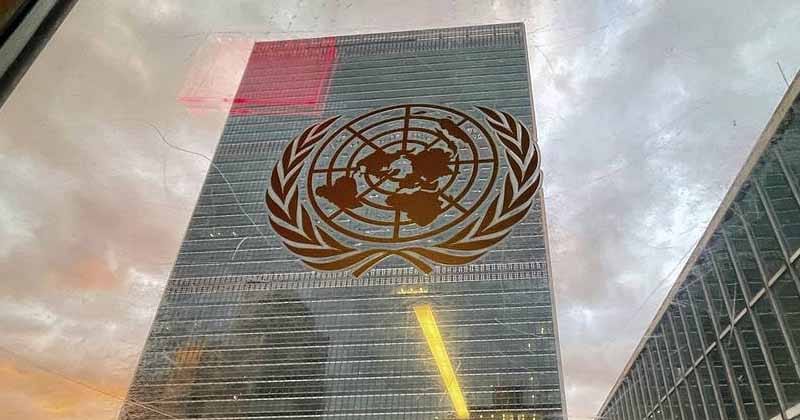
As the high-level general debate of the 81st United Nations General Assembly kicked off in New York on September 22, global leaders gathered to address pressing challenges ranging from ongoing armed conflicts and the worsening climate crisis to economic turbulence and artificial intelligence governance. However, amidst these sweeping international debates, intense diplomatic maneuvering behind the scenes has centered on electing the next UN Secretary-General to succeed Mr. António Guterres when his second term expires on December 31, 2026.
Seven candidates are currently competing for the top diplomatic position, including Ms. Rebeca Grynspan of Costa Rica, Ms. Carolyn Rodrigues-Birkett of Guyana, Ms. María Fernanda Espinosa and Ms. Ivonne A-Baki of Ecuador, Mr. Rafael Grossi of Argentina, Mr. Olara Otunnu of Uganda, and Mr. Macky Sall of Senegal. The candidate field shrank from eight following the recent withdrawal of former Chilean President Ms. Michelle Bachelet. Notably, three female contenders remain in the running, raising the distinct possibility of the United Nations electing its first-ever woman Secretary-General since the founding of the international organization.
Despite multiple voting sessions, a definitive front-runner has yet to consolidate support. In the Security Council’s third informal straw poll held on September 18, Ms. Rebeca Grynspan led with nine encourage votes against five discourage votes, while Ms. Carolyn Rodrigues-Birkett followed closely with eight encourage and six discourage votes. According to an analysis published by The Guardian, Ms. Grynspan, Ms. Rodrigues-Birkett, and Ms. Espinosa remain viable contenders in a highly fluid race, though observers note that late-entry candidates could still join before the final determination.
To secure the formal nomination, any prospective candidate must obtain at least nine votes out of fifteen Security Council members without facing a veto from any of the five permanent members: the United States, Russia, China, the United Kingdom, and France. As the general debate runs through September 28, the decision-making process remains open and uncertain. Once the Security Council achieves the necessary consensus and officially recommends a nominee, the UN General Assembly will formally vote to confirm the organization’s next leader.
Sources: Reuters, The Guardian