Gas Shortage Triggers Widespread Misery
Shafiul Alam / Rafiqul Islam Selim
Bangladesh is currently experiencing an unprecedented gas and energy crisis due to a catastrophic fuel shortage, which has disrupted everyday living, stopped industrial activity, and caused significant public dissatisfaction throughout the country. According to data from Petrobangla and the Energy Division, the country’s daily petrol deficit was 1,630 million cubic feet, a staggering 42.9 percent shortage compared to the country’s daily need of 3,800 million cubic feet. Due to significant operational interruptions at offshore import ports and a 17.5% decrease in domestic output, the total national supply has dropped to just 2,170 million cubic feet.
The country’s power system and important industry hubs have been seriously damaged by the severe supply shortage. Over 4,000 megawatts of peak electrical load-shedding have occurred countrywide, resulting in the entire shutdown of 21 out of 52 gas-fired power plants and the partial operation of eight others. This has prevented the use of around 6,500 megawatts of electricity-producing capability. In major industrial belts like Chittagong, Savar, Ashulia, Gazipur, and Narayanganj, hundreds of manufacturing facilities face significant output loss or total closure, which affects steel, cement, ready-made clothing, and food processing. Meanwhile, rising LPG prices cause cooking gas disruptions for urban households.
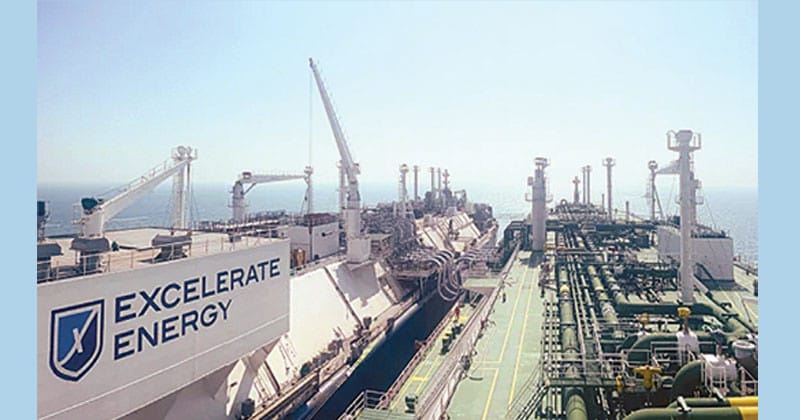
The abrupt closure of Excelerate Energy’s Floating Storage and Regasification Unit at Maheshkhali, a US-based company, when its LNG stockpile ran out, was the direct cause of the severe deficit. Using only Summit’s unit, the daily import supply from Maheshkhali fell by half to 550 million cubic feet. The national energy shortfall has been made worse by procurement delays, missed cargo arrival timetables under direct purchase frameworks, and the denial of an incoming Saudi LNG supply.
Public services, agricultural processing, and the larger transportation system have all been negatively impacted by the cumulative energy crisis. Power outages lasting several hours have stopped government offices in regional administrative hubs, preventing locals from accessing vital services. Thousands of kg of raw leaves are destroyed every day in Sylhet due to hourly load-shedding, and northern rice mills are still not working. Massive traffic jams at CNG filling stations also continue to hinder the flow of goods and public transit around the country.
A government investigation committee looking into a July 21 fire at Excelerate’s terminal reportedly encountered operational non-cooperation and obstruction on-site, further escalating the matter. The public’s dissatisfaction with authorities’ evasive answers and official inaction is still growing. Prime Minister Tarique Rahman is directly overseeing emergency corrective steps in response to the growing unrest and has voiced great discontent with the Energy Division’s poor management.